
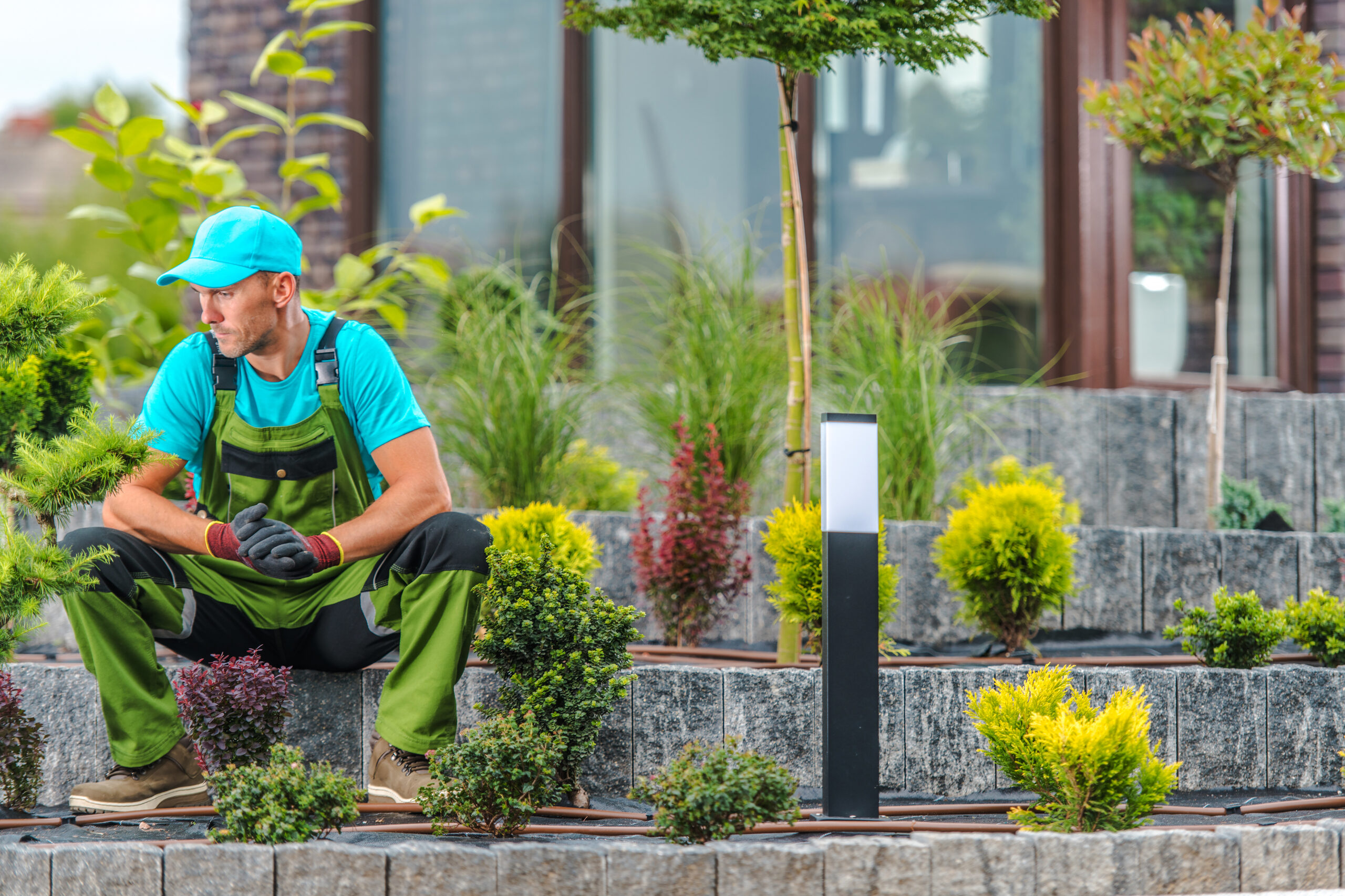
Most commercial landscape installations take between two days and three months. A mulch and color refresh at a building entrance can wrap up in a weekend, while a full redesign of a retail center or office campus can run a full season. Whatever the size of your project, and whether you plan to pair it with irrigation maintenance services Boca Raton to keep new plantings healthy, knowing the schedule ahead of time helps you budget, notify tenants, and avoid surprises.
This guide covers the stages of a project, what adds time, and how to plan around Boca Raton’s weather.
Typical Installation Timelines
Scope drives the schedule more than anything else. These ranges are common for commercial properties in South Florida, though your site may fall outside them.
- Small refresh (entrance beds, seasonal color, new mulch): 1 to 3 days
- Single-area installation (parking islands, building frontage, courtyard): 1 to 2 weeks
- Mid-size property (office park, small plaza, medical campus): 2 to 6 weeks
- Large project (shopping center, HOA community, multi-building campus): 6 to 12 weeks or more
- Planning stage (design, approvals, plant ordering): add 2 to 6 weeks before crews arrive
These figures cover work on site. Many owners are surprised that the planning stage can take nearly as long as the installation itself.
What Happens Before the Crew Arrives
Site Evaluation and Design
Every project starts with a walk of the property. The contractor checks sun exposure, soil, drainage, existing trees, irrigation lines, and how people and vehicles move through the site. Sandy or compacted soil and standing water after storms are common in South Florida and often shape the plan.
After that, the designer lays out beds, turf, trees, and walkways. Plant choice matters here. Heat, salt exposure near the coast, summer storms, and the occasional cold snap all limit which species will last. A simple design can take a few days, while a large site with several review rounds may take two to three weeks.
Approvals and Scheduling
Some projects need sign-off before work begins. That may include city review, a property owner’s board, or an HOA architectural committee. Tree removal and changes to drainage or irrigation can trigger extra paperwork, and rules vary by property, so check with your contractor early.
Approvals are the least predictable part of the schedule. A simple review might clear in a week, but a board that meets monthly can add a month without anyone doing anything wrong. Underground utilities also have to be marked through Florida’s 811 service before digging, which takes a few business days. If you have a hard deadline, such as a grand opening or lease signing, tell your contractor at the start.
The Installation Phases, Step by Step
Demolition and Site Preparation
Old plants, worn sod, broken edging, and debris come out first. Trees that stay need protection from equipment. This phase usually takes one to five days, longer if large stumps or heavy roots are involved. Crews also test and improve the soil, which often does more for plant survival than any other single step.
Grading and Drainage
Water has to go somewhere. Crews adjust slopes so rain moves away from buildings and out of planting beds, and in low areas they may add drains or swales. Good drainage rarely gets noticed once a project is done, but it decides whether plants thrive or rot. Allow two to seven days, depending on how much ground needs reshaping.
Irrigation Installation
New plantings need a dependable water source, so irrigation goes in before the plants. Crews map out zones, trench for pipe, set heads or drip lines, and connect controllers and sensors. Zoning matters because turf, shrubs, and palms all need different amounts of water.
A small property may take a few days, and a large one can take one to three weeks. Every zone is tested for coverage and pressure before planting starts. This is also the right moment to think about long-term care, since even a well-built system needs regular checks. Many property managers line up irrigation maintenance services Boca Raton before the installation ends, so the system keeps working properly once the crew leaves.
Trees, Palms, and Shrubs
Large plants go in first, followed by smaller ones. Trees and palms need correct depth, positioning, and bracing so they hold up through summer storms. A few dozen shrubs can be planted in a day, but mature palms may need a crane or specialized equipment, which adds scheduling steps. Expect one to three weeks for a mid-size commercial planting.
Sod, Groundcover, and Mulch
Sod has to go down quickly, often within a day of delivery. Crews roll it out, trim the edges, and press it into the soil. Mulch comes last because it covers finished beds and helps hold moisture. This is the fastest phase and the most visible one, since the property starts to look finished. Small areas take a day or two, and large lawns can take a week.
Cleanup and Final Walkthrough
The crew removes leftover materials, cleans pavement, and walks the site with the owner or manager. Stressed plants, irrigation zones that need adjusting, and punch-list items get noted. The walkthrough takes a few hours, and corrections usually finish within a few days.
What Slows a Commercial Installation Down
Rainy season weather. South Florida’s wet season runs roughly from late spring through fall. Afternoon storms can stop trenching, planting, and sod work for the day, and saturated ground makes heavy equipment harder to use. A four-week job in January may take five or six weeks in August. The drier months, roughly November through May, give the steadiest conditions.
Plant availability. Popular palms, specimen trees, and certain shrubs can have long lead times. If a plant is out of stock, the contractor may need to source it from another county or substitute a similar species, which needs your approval. Ordering early is the simplest fix.
Scope changes. Adding a bed, swapping plants, or expanding the lawn mid-project all take time. Each change needs pricing, approval, and a new crew schedule. Settling the design before work starts is the best way to protect your timeline.
Working around business hours. Occupied properties add limits. Crews may work early mornings, evenings, or weekends so they do not block parking, entrances, or deliveries. Phased work keeps the property open but stretches the overall schedule.
The Weeks After Installation
A finished installation is not the end of the timeline. New plants need several weeks to a few months to root, depending on type and weather. Consistent watering matters more than almost anything else during this time. Too little stresses young roots, and too much can cause rot or fungus.
Controllers need adjusting as plants settle, and heads can clog or shift. This is why many owners arrange irrigation maintenance services Boca Raton as part of the handoff. During the first quarter, a simple monthly check should cover four things: replacing dead or struggling plants, pulling weeds before they compete with young growth, keeping mulch a few inches away from trunks and stems, and watching for pests or fungus after heavy rain.
How to Keep Your Project on Schedule
You cannot control the weather, but a few habits make delays less likely.
Finalize the design before signing, and avoid changes once work starts. Ask about approval timelines for your property and submit paperwork as soon as the plan is ready. Pick plants that are easy to source locally, and choose a start date in the drier months if your calendar allows. Name one person on your side to answer questions and approve decisions, because slow replies cost days. Finally, ask your contractor for a written schedule with milestones so you can spot slippage early.
Before hiring, ask how long each phase will take, what could extend the timeline on your property, how weather delays are handled, and what warranty covers plants and irrigation. Clear answers matter more than a polished brochure. Promises of unrealistically fast turnaround deserve a second look.
Final Thoughts
Commercial landscape installation takes as long as design, approvals, weather, and plant supply allow. Small jobs finish in days, and large ones can run a few months. Planning early, agreeing on a clear scope, and choosing the right season keep the schedule predictable.
The work does not end when the crew leaves. New plants need attention while they settle, and a good system deserves regular upkeep. Property owners who plan ahead for irrigation maintenance services Boca Raton tend to see healthier plants and fewer surprise repairs in the first year.
If you are planning a new installation or an upgrade, the team at Mow-It Landscaping can walk your property, talk through timing, and give you a realistic schedule before you commit. Book a free site visit and tell us what you have in mind.
