
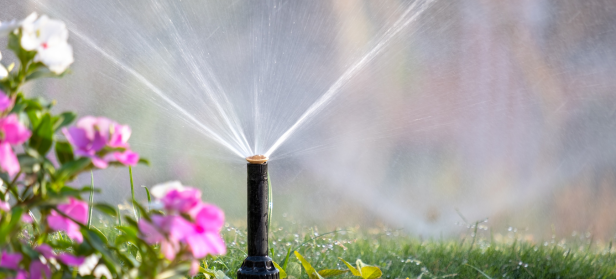
A healthy commercial landscape depends on more than regular mowing, trimming, and planting. Proper watering also plays an important role in keeping grass green, trees healthy, and plants in good condition. For office complexes, retail centers, HOA communities, and other commercial properties, an irrigation system helps maintain consistent watering across different outdoor areas. However, when parts of the system stop working correctly, the effects can become visible throughout the landscape.
Small irrigation problems can develop gradually. A sprinkler head may become clogged, a pipe may start leaking, or a controller may fail to follow the watering schedule. These issues can lead to dry patches, standing water, unhealthy plants, and unnecessary water consumption. Without regular inspections, property managers may not notice the problem until the landscape starts showing visible damage.
Knowing when your system needs attention can help prevent larger problems and protect your outdoor investment. Professional irrigation maintenance services boca raton can help identify common system issues, maintain proper water distribution, and support the long-term health of commercial landscapes.
Why Is Regular Commercial Irrigation Maintenance Important?
Commercial irrigation systems often cover large outdoor areas with different watering requirements. A lawn may need a different watering schedule from flower beds, shrubs, and trees. If the system does not distribute water properly, some areas may receive too much moisture while others remain dry.
Regular maintenance helps keep the system operating as intended. It allows property managers to identify damaged components, check sprinkler coverage, review watering schedules, and address leaks before they affect larger areas.
In Boca Raton, outdoor landscapes experience changing weather conditions throughout the year. Rainfall, heat, humidity, and seasonal changes can influence how much water plants need. An irrigation schedule that works during one part of the year may not be suitable during another.
Routine inspections also help property owners manage water use. A system with leaking pipes, misaligned sprinkler heads, or incorrect settings may use more water than necessary. Correcting these problems can reduce avoidable water waste while helping maintain the landscape.
9 Warning Signs Your Commercial Irrigation System Needs Maintenance
Recognizing early warning signs can help you address irrigation problems before they cause extensive landscape damage. Here are nine common issues that commercial property owners and managers should watch for.
1. Dry or Brown Patches Across the Lawn
One of the easiest signs to notice is uneven grass color. If certain areas of your commercial lawn turn brown while nearby sections remain green, the irrigation system may not be distributing water evenly.
Dry patches can develop when sprinkler heads become blocked, damaged, or incorrectly positioned. Low water pressure can also prevent certain sections from receiving enough water. In some cases, the watering schedule may not provide sufficient moisture for the grass.
Before assuming the lawn needs additional watering, inspect the sprinkler coverage. Running the system and observing each zone can help identify areas where water is not reaching the grass properly.
Adding more watering time without correcting the actual problem may waste water without improving the affected areas.
2. Standing Water or Constantly Wet Areas
Water collecting around sprinkler heads, sidewalks, parking areas, or landscaped sections may indicate an irrigation problem.
Standing water can develop because of leaking underground pipes, broken sprinkler components, excessive watering, or poor drainage. If the same area remains wet even when the irrigation system is switched off, there may be a leak that requires attention.
Constantly wet soil can also affect plant roots. Too much moisture may reduce the amount of oxygen available to roots and contribute to root damage or plant decline.
Property managers should pay attention to areas that remain unusually wet after rainfall or scheduled irrigation. Identifying the source early can help prevent further water loss and landscape damage.
3. Sprinkler Heads Are Not Spraying Properly
Sprinkler heads should distribute water across their intended coverage areas. When they become clogged, broken, or misaligned, some sections may receive insufficient watering.
Common sprinkler head problems include restricted spray patterns, heads that fail to pop up, water spraying in the wrong direction, and components that remain stuck after the irrigation cycle ends.
These problems can affect more than the appearance of the lawn. Water spraying onto sidewalks, building entrances, and paved surfaces can create slippery conditions and waste water.
A visual inspection while each irrigation zone is running can help identify these problems. Cleaning, adjusting, or replacing damaged sprinkler heads may restore better coverage.
4. Sudden Increase in Water Bills
An unexpected increase in water consumption can be a warning that something is wrong with your irrigation system.
Underground leaks may continue releasing water even when nobody notices a visible problem. A broken pipe, leaking valve, or faulty controller may also cause the system to use more water than necessary.
Commercial properties often have several irrigation zones, making it difficult to identify the source of unusual consumption without checking the system carefully.
Property managers should compare water bills over time and investigate unusual increases. Checking irrigation schedules, reviewing water meter activity, and inspecting visible components can help narrow down the cause.
A higher water bill does not always mean there is an irrigation leak, but it is a good reason to investigate further.
5. Low Water Pressure in Certain Zones
Water pressure affects how far sprinkler heads can distribute water and how consistently the system operates.
If one section of the property receives weak or inconsistent spray while other areas work normally, there may be a problem within that particular zone.
Possible causes include partially blocked pipes, damaged sprinkler heads, leaking connections, valve issues, or changes in the water supply.
Low pressure can make it difficult for the system to reach the entire intended watering area. As a result, grass and plants may receive less moisture than they need.
A professional inspection can help determine whether the problem is related to the irrigation components, water supply, or another underlying issue.
6. Irrigation Zones Are Not Turning On or Off Correctly
Most commercial irrigation systems use multiple zones to water different landscape sections. Each zone operates according to settings programmed through an irrigation controller.
If a zone does not activate, the affected area may not receive enough water. If it continues running after its scheduled cycle, the system may waste water and leave the ground excessively wet.
These problems can be associated with faulty valves, wiring issues, controller settings, or damaged electrical components.
Property managers should check whether each zone follows its scheduled operating time. If a zone repeatedly fails to start or stop, it may need professional attention rather than repeated adjustments to the watering schedule.
7. Water Leaking Around Pipes and Valves
Visible leaks around irrigation pipes, valves, and connections should never be ignored.
Even a small leak can gradually waste a considerable amount of water when the system operates regularly. Larger leaks may cause soil erosion, muddy areas, damage to nearby planting beds, or water collecting around paved surfaces.
Look for unusually wet soil, bubbling water, small streams, or persistent puddles near irrigation equipment.
Some underground leaks may not be immediately visible. Changes in water pressure, unexplained wet spots, and rising water consumption can provide additional clues.
The sooner a leak is located, the easier it may be to limit unnecessary water loss and prevent damage to surrounding areas.
8. Plants and Shrubs Show Signs of Stress
An irrigation problem does not always appear as brown grass. Trees, shrubs, flowers, and other landscape plants can also show signs of watering issues.
Leaves may wilt, turn yellow, develop dry edges, or fall earlier than expected. Plants receiving excessive moisture may also show signs of root stress or decline.
Different plants have different watering requirements. A single watering schedule may not provide suitable conditions for every section of a commercial property.
If several plants in the same irrigation zone show similar problems, the watering schedule or distribution pattern may need to be reviewed.
However, plant stress can also result from pests, soil conditions, disease, or environmental factors. Checking the irrigation system is one important step in identifying the cause.
9. The Irrigation Controller Shows Incorrect Settings
The irrigation controller manages when watering begins, how long each zone runs, and how frequently the system operates.
Incorrect programming can cause watering at unsuitable times or result in too much or too little water reaching the landscape.
Power interruptions, accidental setting changes, damaged wiring, or controller faults may affect normal operation. Some controllers may also need seasonal adjustments to reflect changing weather conditions.
Property managers should periodically review the programmed schedule and confirm that all zones are operating as intended.
A properly configured controller helps coordinate watering across the property and reduces the chance of unnecessary irrigation.
What Causes Commercial Irrigation Systems to Develop Problems?
Irrigation problems can develop for several reasons, even when a system has been operating properly for years.
Normal Wear and Tear: Sprinkler heads, valves, seals, pipes, and other components experience regular use. Over time, parts may become damaged, worn, or less effective.
Debris and Blockages: Dirt, sand, grass clippings, and other debris can restrict water flow through sprinkler heads and affect spray patterns.
Changing Weather Conditions: Rainfall and seasonal temperature changes influence watering requirements. A fixed schedule may not provide the right amount of moisture throughout the year.
Incorrect Installation or Adjustments: Poorly positioned sprinkler heads, unsuitable coverage, and incorrect controller settings can cause uneven watering.
Lack of Routine Inspections: Minor leaks and damaged components can remain unnoticed when nobody regularly checks the irrigation system.
Understanding these causes makes it easier to plan maintenance and address problems before they affect the entire landscape.
How Often Should a Commercial Irrigation System Be Inspected?
The inspection frequency depends on the size of the property, system design, landscape requirements, and how frequently the irrigation system operates.
For commercial properties, regular visual checks are useful because small problems can affect large areas if they remain unresolved. Property managers can observe sprinkler operation during scheduled watering cycles and look for unusual spray patterns, leaks, or areas receiving too much or too little water.
A more detailed inspection should include sprinkler heads, valves, visible piping, controller settings, and the performance of individual irrigation zones.
It is also important to review the watering schedule when weather conditions change. Heavy rainfall may reduce the need for additional watering, while periods of hot and dry weather may increase moisture requirements.
Properties with large lawns, extensive planting beds, and multiple irrigation zones may benefit from a planned maintenance schedule rather than waiting for visible problems to appear.
What Should Be Included in a Commercial Irrigation Maintenance Checklist?
A consistent maintenance routine helps property managers keep track of the system’s condition and identify issues that need attention.
Important inspection tasks include:
- Sprinkler Heads: Check for clogs, cracks, misalignment, and uneven spray patterns.
- Water Pressure: Observe whether each irrigation zone receives adequate and consistent pressure.
- Pipes and Connections: Inspect accessible areas for leaks, loose fittings, and visible damage.
- Valves: Check whether zones turn on and off properly.
- Irrigation Controller: Review watering schedules, operating times, and programmed settings.
- Landscape Coverage: Look for dry patches, standing water, and plants showing signs of stress.
- Water Usage: Monitor consumption and investigate unexpected increases.
Keeping records of inspections and repairs can also help property managers understand recurring problems and plan future maintenance.
How Can Proper Irrigation Maintenance Help Commercial Properties?
A properly maintained irrigation system supports the overall condition of a commercial landscape. Healthy grass, well-watered plants, and properly maintained planting beds contribute to an attractive outdoor environment.
For retail centers, office buildings, business parks, and HOA communities, landscape appearance can influence how visitors, customers, employees, and residents perceive the property.
Regular irrigation maintenance also helps identify water leaks, improve sprinkler coverage, and reduce unnecessary watering. These steps can support more responsible water management while helping protect landscape investments.
For properties with multiple outdoor areas, consistent maintenance makes it easier to identify changing watering requirements and address issues in specific zones.
Working with an experienced landscaping team can also reduce the time property managers spend coordinating separate maintenance tasks. Irrigation care can be considered alongside lawn maintenance, tree care, and other commercial landscape services.
Why Choose Mow-It Landscaping Service for Irrigation Maintenance in Boca Raton?
Maintaining a commercial landscape requires attention to watering, plant health, lawn conditions, and the performance of outdoor systems. Mow-It Landscaping Service works with commercial property owners, businesses, and property managers throughout Boca Raton and South Florida.
The company provides irrigation solutions alongside commercial landscape maintenance, lawn care, tree services, and landscape installations.
Its irrigation service focuses on helping properties maintain consistent watering and healthy outdoor environments. Whether a property needs an irrigation system inspection, maintenance, or installation support, understanding the condition of the existing system is an important starting point.
Choosing irrigation maintenance services boca raton from a landscaping provider familiar with commercial property requirements can help property managers address irrigation concerns as part of their overall landscape care plan.
Mow-It Landscaping Service also provides ongoing commercial landscaping support designed around the needs of different properties. This allows businesses and property managers to coordinate important outdoor maintenance requirements with one service provider.
Frequently Asked Questions
1. What Are the Most Common Signs of an Irrigation System Problem?
Common signs include dry lawn patches, standing water, leaking pipes, uneven sprinkler coverage, low water pressure, and irrigation zones that fail to operate correctly. An unexpected increase in water consumption can also indicate a possible problem.
2. Can a Faulty Sprinkler Head Damage My Commercial Landscape?
Yes. A damaged or misaligned sprinkler head can prevent water from reaching the intended area. This may cause dry grass, stressed plants, or excessive watering in nearby sections. Inspecting and correcting sprinkler head problems helps maintain more consistent coverage.
3. Why Does My Irrigation System Keep Running After Its Scheduled Time?
A system that continues running may have a faulty valve, controller issue, wiring problem, or incorrect programming. The cause should be identified before making repeated changes to the watering schedule.
4. Does Regular Irrigation Maintenance Help Reduce Water Waste?
Yes. Identifying leaks, correcting sprinkler coverage, and reviewing watering schedules can help prevent unnecessary water use. A properly maintained system distributes water more efficiently and helps avoid watering areas that do not need it.
5. When Should Commercial Properties Schedule Irrigation Maintenance?
Commercial properties should schedule inspections regularly and whenever warning signs appear. It is also useful to review irrigation settings when weather conditions change or when landscape areas are added or modified.
6. Can Irrigation Problems Affect Trees and Shrubs?
Yes. Trees and shrubs can experience stress when they receive too much or too little water. Irrigation coverage and watering schedules should account for the different moisture requirements of lawns, shrubs, and other plants.
Keep Your Commercial Landscape Healthy with Proper Irrigation Care
An irrigation system plays an important role in maintaining the appearance and health of commercial outdoor spaces. Dry patches, leaking pipes, uneven sprinkler coverage, standing water, and unexpected increases in water consumption are all signs that the system may need attention.
Addressing these problems early can help protect your landscape, reduce avoidable water waste, and prevent minor equipment issues from becoming larger concerns.
If your commercial property in Boca Raton needs professional irrigation support, Mow-It Landscaping Service can help you assess your landscape maintenance requirements and identify suitable irrigation solutions.
Contact Mow-It Landscaping Service today to discuss your property’s irrigation and commercial landscaping needs. Request a consultation and take the next step toward a healthier, well-maintained outdoor space.
