
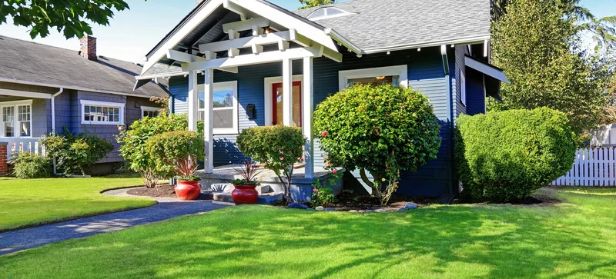
Walk up to any building and your eyes land on a few things first: the entrance, the signs, the lawn, and the trees. Trees frame everything else on the site. A well-shaped canopy tells people the property is looked after. A tangle of overgrown limbs, brown fronds, and branches scraping a roof tells them the opposite before they ever step inside.
For owners and property managers, that first impression has a price. Tenants, customers, and buyers make quick judgments, and those judgments affect lease renewals, foot traffic, and sale offers. Many owners start searching for tree trimming Boca Raton FL only after a branch lands on a roof or a tenant sends a complaint. Starting earlier costs less, looks better, and avoids most of the stress.
This guide explains how regular tree care improves the look of your property, how it protects value over time, and what to expect when you hire a crew. It comes from the team at Mow-It Landscaping Service, who maintain commercial and residential grounds across South Florida.
Why Trees Set the Tone for Your Whole Property
The canopy frames everything else
Trees are the tallest living feature on most properties, so they shape how everything below them looks. A balanced canopy draws the eye upward and gives a building a finished, settled appearance. It softens hard lines, adds shade to entrances and parking areas, and makes outdoor spaces more comfortable on a hot afternoon. Overgrown trees do the reverse. They hide signs, cast heavy shade over doorways, drop debris on walkways, and make a freshly painted building look tired. Clean lines and healthy foliage show that someone pays attention to the details.
What visitors and buyers notice in the first ten seconds
People rarely inspect a tree closely, but they pick up on the overall impression. Dead branches over a walkway, leaves piled against a door, or limbs pressing on a roofline stand out right away. Tenants read those signs as slow maintenance. Buyers read them as future repair bills. Shoppers and clients may wonder how well the rest of the business is run. A trimmed, tidy canopy sends the opposite message without a word being said, and it costs far less than a new paint job or a new sign.
How Regular Tree Care Supports Property Value
Healthy trees are an asset that keeps growing
Mature trees take decades to develop. They bring shade, cooler outdoor temperatures, and a sense of permanence that new plantings cannot match right away. That value only holds if the tree stays healthy. Regular pruning removes weak growth before it spreads, helps the tree live longer, and keeps it full and balanced. Neglected trees decline, and a declining tree can quickly turn from an asset into a removal bill.
Prevention costs less than repair
A single large limb landing on a car, roof, fence, or irrigation line can cost more than years of routine trimming. Insurance claims, repairs, and lost business days add up fast. Property managers also carry liability when a known hazard goes unaddressed. Cutting back risky branches on a schedule keeps small issues from growing into expensive ones, and it creates a record showing the property was maintained with care.
Better results for the lawn and nearby plants
Trees compete with turf and flower beds for light, water, and nutrients. When a canopy grows too dense, the grass beneath it thins out and shrubs stretch sideways toward whatever sun gets through. Thinning and lifting the canopy lets light reach the ground, so lawns and plant beds look fuller and greener. This is why tree work and lawn care work best as a pair rather than as separate projects.
Signs Your Trees Are Hurting Your Curb Appeal
Most tree problems build up slowly, so they are easy to miss until they become obvious. Walk your property once a month and check for these signs:
- Branches touching roofs, walls, windows, lights, or signs
- Dead, brown, or bare limbs in an otherwise green canopy
- A lopsided shape, with heavy growth on one side
- Limbs hanging over walkways, parking spaces, or driveways
- Dense growth that blocks light from reaching the lawn
- Leaning trunks, cracked bark, or fungus near the base
- Low branches that block the view of drivers and pedestrians
If you notice even one or two of these, a professional inspection is a sensible next step. A trained eye can tell cosmetic issues from structural ones, and that difference decides whether you need light shaping or urgent work. When you want a second opinion, you can book a free property visit and have someone walk the site with you.
What Professional Tree Trimming Includes
Shaping and balance
Good trimming is more than cutting things back. A skilled crew studies how each tree grows naturally and removes growth in a way that respects its form. The goal is a balanced canopy that looks natural, not a chopped-up shape that spoils the tree for years. When the work is done well, people walking by simply think the tree looks healthy. They never think about the cuts.
Pruning dead, damaged, and diseased wood
Pruning removes branches that no longer help the tree. Dead and diseased limbs weaken the structure, attract pests, and can drop without warning. Clearing them improves airflow and light through the canopy, which helps the tree grow stronger over time. Pruning also lets the crew spot problems early, such as cracks, decay, or signs of insect damage, while there is still time to deal with them.
Clearance around buildings and utilities
Branches should stay clear of roofs, walls, lights, cameras, and power lines. Proper clearance protects shingles and gutters, keeps leaves and twigs from collecting where they cause leaks, and reduces the chance of a limb damaging equipment. Work near utility lines belongs in the hands of trained professionals, not a staff member with a ladder and a hand saw.
Cleanup that leaves the site tidy
The job is not finished until the debris is gone. A careful crew hauls away cuttings, clears hard surfaces, and leaves the property ready for business. When you compare quotes for tree trimming Boca Raton FL crews offer, ask what cleanup is included. It is a small detail that quickly separates careful companies from careless ones.
Trimming for South Florida Weather
Storm season changes the schedule
Hurricane season runs from June through November, and strong wind finds the weak spots in any canopy. Dense, overgrown, or deadwood-heavy trees catch more wind and shed more limbs. Thinning the canopy before the season starts lets air pass through more easily and lowers the load on each branch. Booking tree trimming Boca Raton FL services in spring, ahead of the first named storm, leaves time to fix problems without a rush.
After a storm, have your trees checked even if they look fine from a distance. Cracked limbs, hanging branches, and shifted root zones are not always obvious from the ground. Fast cleanup also keeps your property looking cared for while neighbors are still dealing with debris.
Go easy on palms
Palms need different handling than shade trees. Cutting off healthy green fronds, often called hurricane cutting, weakens the palm and does not protect it from wind. Remove only dead or yellowing fronds and spent flower stalks. A crew that knows the species will tell you so, rather than cutting more than the tree needs just to make the job look bigger.
Timing for steady growth
Many trees respond well to trimming in late winter or early spring, just as new growth begins. Removing hazardous or damaged branches can happen at any time of year, since safety should not wait for the right month. Fast-growing species may need attention more than once a year, especially near buildings, parking areas, and signs.
How Often Should Trees Be Trimmed?
Most trees benefit from professional trimming every one to three years, depending on species, age, and growth rate. Young trees often need light shaping to build a strong structure while they grow. Mature trees usually need less frequent work, though they should still be inspected once a year so small problems do not turn into big ones.
Commercial properties with heavy foot traffic often do better on a set calendar, with one visit before storm season and another afterward. A written schedule also makes budgeting easier, since you pay for planned maintenance rather than emergency calls. Over a few years, the trees settle into a healthy shape and each visit gets lighter.
Common Questions Property Owners Ask
Does trimming hurt a tree?
Proper trimming helps a tree. Clean cuts made in the right spot let the tree heal and direct its energy into healthy growth. Problems come from over-pruning, flush cuts, and removing too much of the canopy at once. Those mistakes stress the tree and can leave it open to disease, which is another reason to hire experienced people.
Can tree care really change what a property is worth?
It supports value in a few practical ways. Healthy trees add shade and a mature look, tidy trees improve first impressions, and well-kept grounds reduce the risk of costly damage. Buyers, tenants, and inspectors notice a property that has been maintained, and that care often shows up in how they treat the price or the lease.
What if a tree is too far gone?
Sometimes a tree is dead, leaning, or too damaged to save. A good crew will say so plainly and explain why, instead of pushing work you do not need. Removing a failing tree early costs less than waiting until it falls.
DIY or Hire a Professional?
Small jobs, like clipping a low twig on a young tree, are fine to handle yourself. Anything involving ladders, chainsaws, tall trees, or limbs near buildings and power lines is a different matter. Falls and cutting injuries are common in homeowner tree work, and a bad cut can leave a tree open to decay for years. On a commercial site, hiring a professional also protects you from liability if something goes wrong.
Before you agree to a price, ask any company for proof of insurance, references, and a clear description of the work. A reliable provider will walk the property with you, point out what needs attention, and explain what can wait. You can also read reviews and see how other property owners rate Mow-It Landscaping Service on our Google Business Profile.
Make Tree Care Part of a Bigger Maintenance Plan
Tree work pays off most when it fits with mowing, irrigation, and bed maintenance. Sprinklers that soak a trunk can cause rot, while sprinklers that miss the root zone leave a tree thirsty. Mulch piled against the bark invites pests. When one team handles all of these tasks, the details stay lined up and nothing falls through the cracks.
Mow-It Landscaping Service handles tree services, landscape maintenance, irrigation, and installation, so tree visits can match the rest of your property’s schedule. That means fewer vendors to manage, fewer scheduling headaches, and a property that looks consistent from the street to the back lot.
Final Thoughts
Trees reward steady attention. A trimmed canopy improves how a property looks today, protects the buildings and people beneath it, and supports its value for years. Regular tree trimming Boca Raton FL owners schedule before problems appear costs less, looks better, and carries less risk than reacting after damage is done.
Ready to get your trees in shape? Request a free quote from Mow-It Landscaping Service, and our team will walk your property, explain what needs attention, and give you a clear plan with no pressure.
